Humans of BHSS Hub: Rosie Mensah
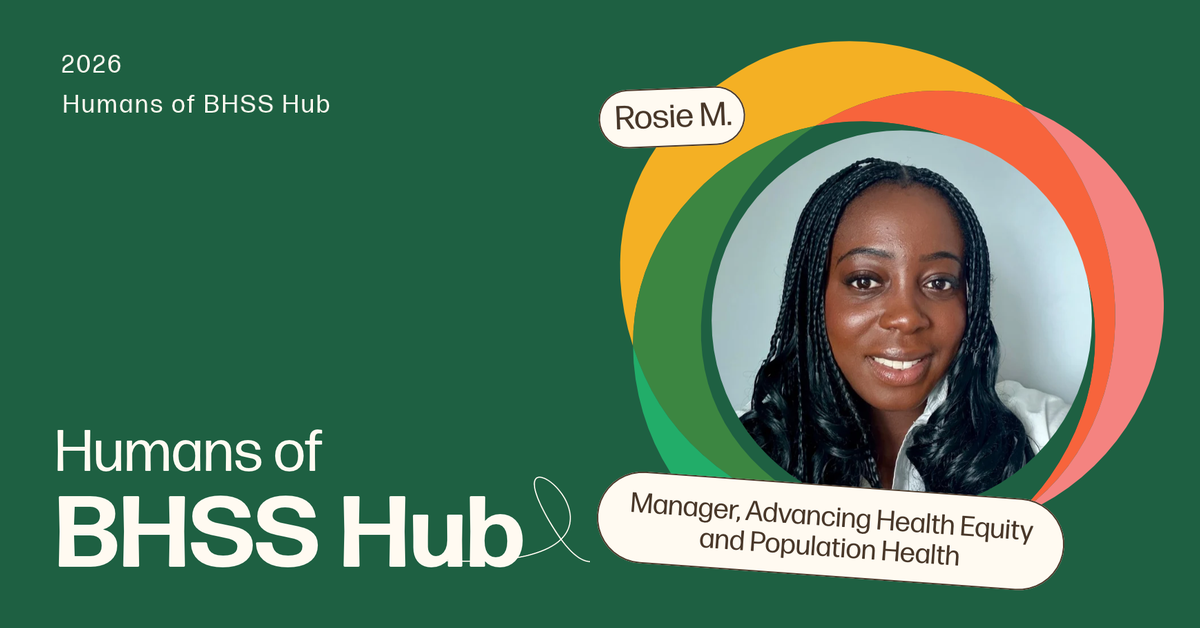
Humans of BHSS Hub highlights the voices behind the Black Health and Social Services Hub Peel and within our community. Read the Manager of Advancing Health Equity and Population Health’s interview on her career journey, the myth of equal access, the workers behind our food system, and what it truly means to meet someone where they are in navigating Canada’s healthcare system.
Rosie Mensah has a way of turning a familiar idea on its head. Ask most people in Canada about healthcare and they will tell you, with some pride, that it is universal. Ask Rosie, and she will agree, then ask the better question: universal for whom?
As Manager of Advancing Health Equity and Population Health at the Black Health and Social Services Hub Peel (BHSS Hub or Hub), that question shapes her days. Her work centers the members of the Black, African and Caribbean (BAC) community who need support most and builds the partnerships that keep individuals from falling through the cracks.
“Overall, my role is about addressing the systemic barriers the Black, African and Caribbean community faces when it comes to accessing care and achieving good health outcomes,” she says.
It Started with Food: Her Career Journey
Rosie’s path into health equity began at the table, as a registered dietitian. Her passion for food security and food justice led her into broader work on the social determinants of health, particularly for underserved communities.
Along the way, she arrived at a conviction that still guides her, “When people lack access to food or healthcare, there is more to the story,” she explains. “It isn’t an individual failing. It is systemic, structural and intentional.”
In a country with universal healthcare and so much food that waste has become its own problem, she points out, a lack of access “speaks to a larger structural issue.”
That is what drew her to the Black Health & Social Services Hub Peel. With a background in nutrition, dietetics, food justice, Black health and public health, she saw something rare and necessary in a model that brings primary care, mental health, addictions and social services together under one roof. “Looking at people holistically,” she says, “was something I saw as deeply valuable.”
The Misconceptions of Equal Access in Healthcare
“One of the biggest misconceptions about Canada is that because we have universal healthcare, everyone has equitable access to care,” Rosie says. “That is not the reality.”
For many Black individuals, the barriers are layered in anti-Black racism, financial insecurity, immigration status, and a healthcare system that can be difficult to navigate even for those born and raised here. For newcomers, there is often an added and unexpected lesson in realizing you’re racialized. Rosie explains, “While we technically have universal healthcare, anti-Black racism heavily impacts the actual experience of accessing it.”
For Rosie, equity is measured by lived experience, not just by policy on paper. “It isn’t just about whether services exist,” she says. “It is about whether people can access those services in a way that is timely, safe, inclusive, and maintains their dignity.”
Reflecting on the Experiences of Migrant Black Farm Workers in Canada
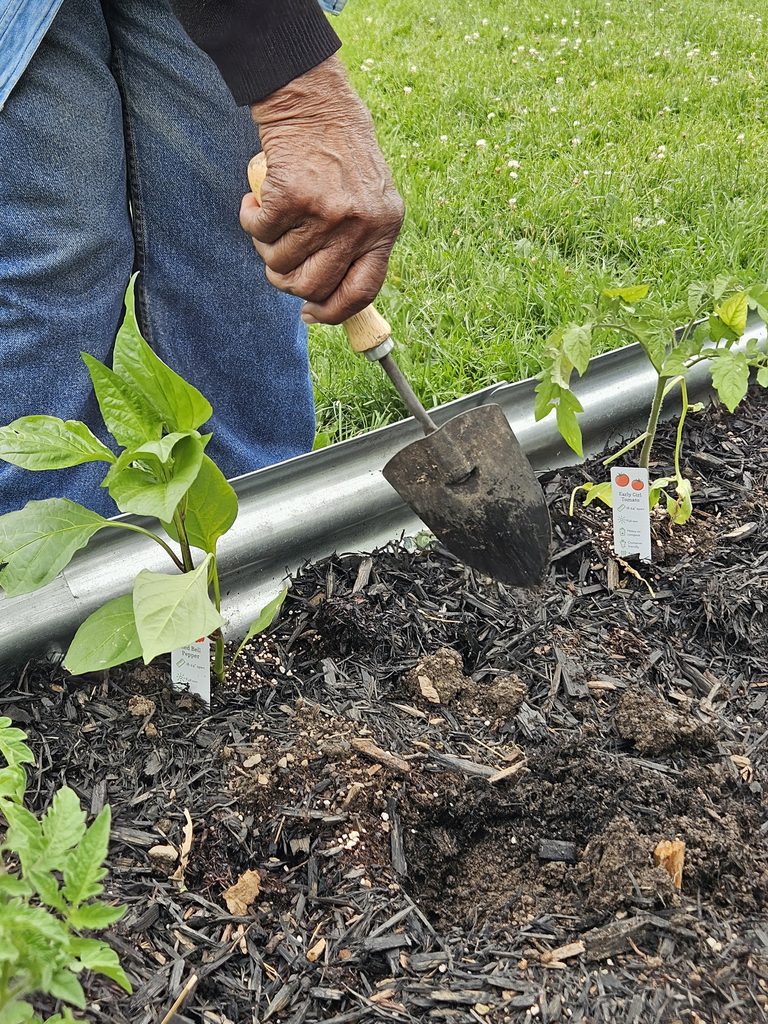
Nowhere is that gap clearer; Rosie reflects, than on Ontario’s farms. Her time with the Black Creek Food Justice Network deepened her understanding of the migrant workers who labor there. Each season, through the Seasonal Agricultural Workers Program (SAWP), Canadian employers hire temporary workers, many of them from the Caribbean. “Without them, we wouldn’t have access to an abundance of food,” she says. Yet the people who contribute to feeding us often struggle to access healthcare and social support.
Part of the reason is built into the program itself. Workers are tied to a single employer for up to eight months a year, return home when their contract ends, and cannot apply for permanent residency. Migrant advocate Chris Ramsaroop, writing for CBC, calls the SAWP “an employer-driven program with an inherent power imbalance built into its structure.” The quiet fear is being sent home, or not being asked back.
For Rosie, that imbalance shows up as constant uncertainty about health coverage. An injury, or an employer’s change of heart, can put a worker’s OHIP at risk just when care matters most. “These are people that are feeding us, that are helping to maintain our society,” she says, “but they just don’t get the same access.”
The numbers tell a wider story. In 2022, Statistics Canada found that 38 per cent of families with a Black major income earner experienced food insecurity, more than double the national rate of 18 per cent. Earlier research from PROOF at the University of Toronto showed a similar gap, 28.9 per cent of Black households compared with 11.1 per cent of white households in 2017 to 2018. Food, income, status and health are not separate conversations. They all contribute to seeing individuals holistically.
The farm worker’s story is not an outlier. It mirrors what many Black newcomers experience, conditional status, uncertain coverage, systems that are hard to navigate, bias in the exam room, and the isolation of being far from family.
Humanity is a Clinical Skill
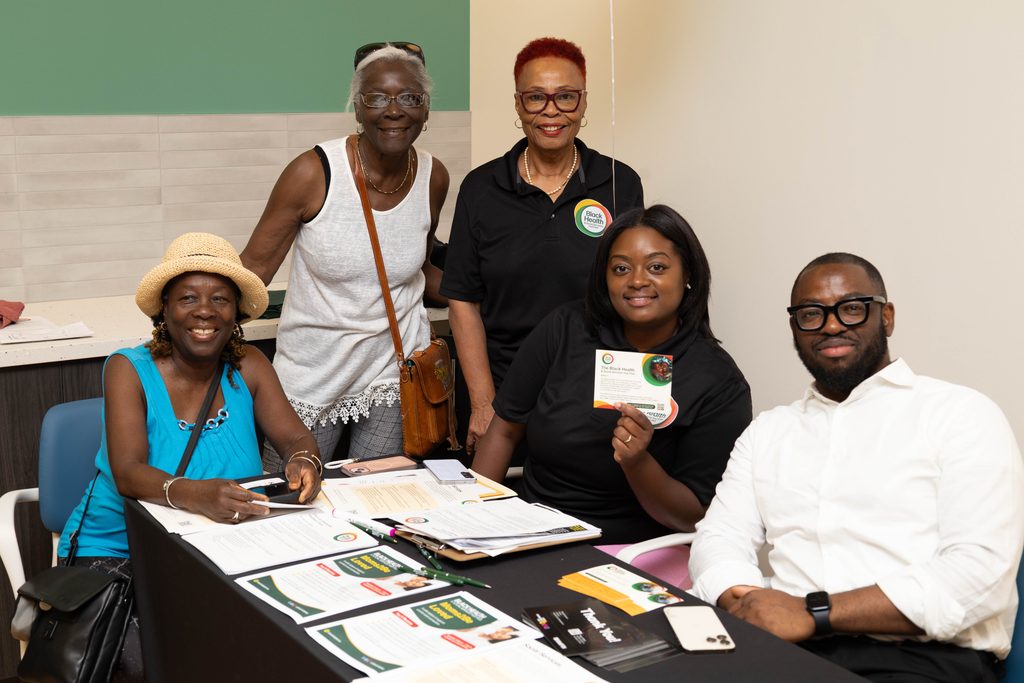
Rosie works closely with all our medical professionals and outreach and community health workers at the Black Health & Social Services Hub. Operating under a low-barrier, culturally affirming, and integrated model, the Hub brings primary care, mental health and addictions support, social services, and community outreach together, so individuals and families receive coordinated care without falling through the cracks.
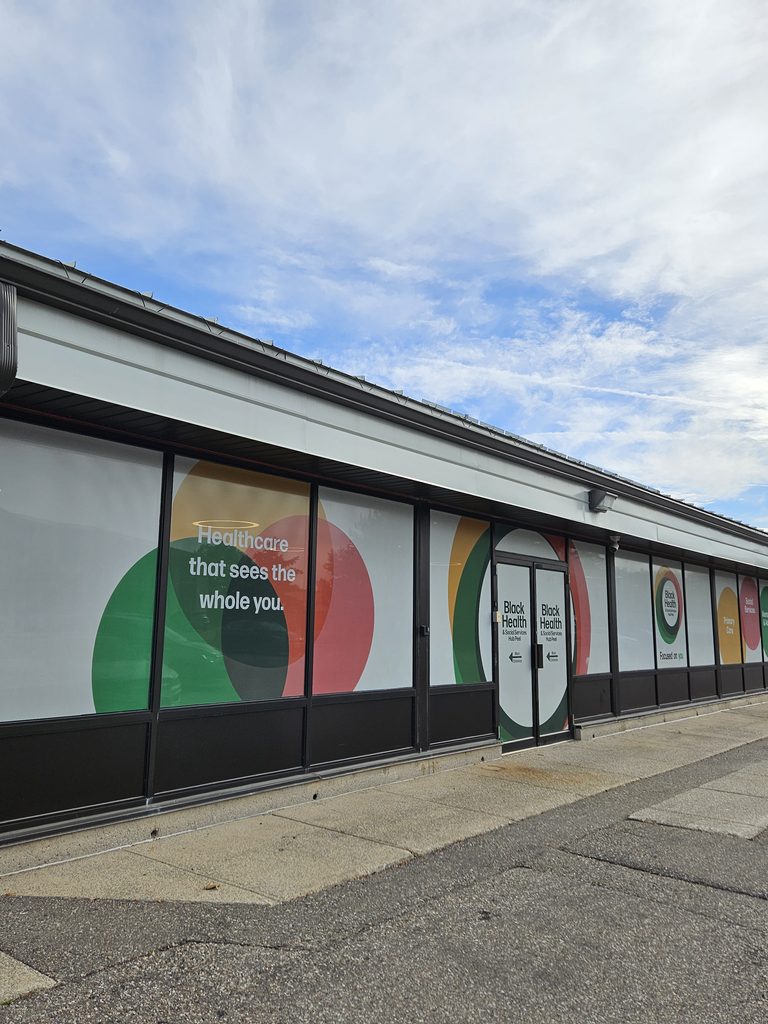
Many clients arrive with apprehension or past negative experiences in healthcare. However, when they visit 19 Rutherford South in Brampton, they are welcomed with openness and humility.
“I always say that while we might be the healthcare experts, people are the experts in their own lives,” she says. That means recognizing that someone may not be ready for a particular kind of care yet, and offering what they need in the moment through a trauma-informed lens.
She is candid about the work inside the Hub, too. “Simply being Black is not always enough,” she says. Serving a diverse BAC community well means naming and addressing the biases everyone carries.
Every Part of You Matters, and Shouldn’t be Neglected
Ask Rosie why integrated care matters, and her answer is simple. “We are dynamic people. We aren’t just one thing.”
Traditional healthcare is often fragmented, and fragmentation is where people get lost. The Hub’s model asks fuller questions. Do you have a place to live? Do you have food to eat? Do you have community? “Social isolation is one of the biggest killers out there,” she notes. “Everything is interconnected.”
It is the Black Health & Social Services Hub’s promise in action where every part of you matters. Primary care, mental health, addictions, and social services sit under one roof, free and low-barrier, with humanity and Africentricity woven through.
Care with Community at the Center
“Just because the healthcare system works for you doesn’t mean it works for everyone,” Rosie says. Someone waiting eight hours in an emergency room technically has coverage, but they are not being seen. Public awareness, she believes, builds empathy and accountability, and “health equity improves the lives of everyone, not just those who need it most.”
The path forward rests on three things: educating providers on how racism, immigration status and the social determinants of health shape access; building partnerships that create clearer pathways to care; and bringing community into the room. “Too often, initiatives are designed for communities without their input,” she says.
The Definition of Health Equity
For Rosie, “Health equity means ensuring that all people, regardless of their life circumstances, have the opportunity to achieve their full health potential.” She explains, the concept of treating everyone equally isn’t realistic when people don’t start from the same place.
Sometimes equity looks like translation services, the difference between a patient understanding their medication and not taking it at all. Sometimes it looks like a phone appointment for someone who can’t afford to take time off work.
“That is what we are working toward every day,” she says. “Supporting a diverse range of clients in ways that truly fit their needs.”
Written by: Dennisha Rollins, Manager of Communications & Stakeholder Engagement
Humans of BHSS Hub highlights the voices behind the Black Health and Social Services Hub Peel and within our community, a partnership between Roots Community Services, LAMP Community Health Centre and CMHA Peel Dufferin. BHSS Hub offers integrated primary care, mental health, addictions, and social services at 19 Rutherford Road South, Brampton. No OHIP or IFHP is required, and everyone is welcome. Learn more at bhsshubpeel.ca or call 647-812-5226 to get started.