Rooted in Culture, Grown in Community: Intergenerational Garden Blooms in Malton
Community gardens are more than just green spaces, they’re places of connection, culture, and collective healing. In Malton, Mississauga, a growing group of change-makers is transforming green space into a vibrant, intergenerational community garden designed to support the health and wellbeing of Black youth and older adults.
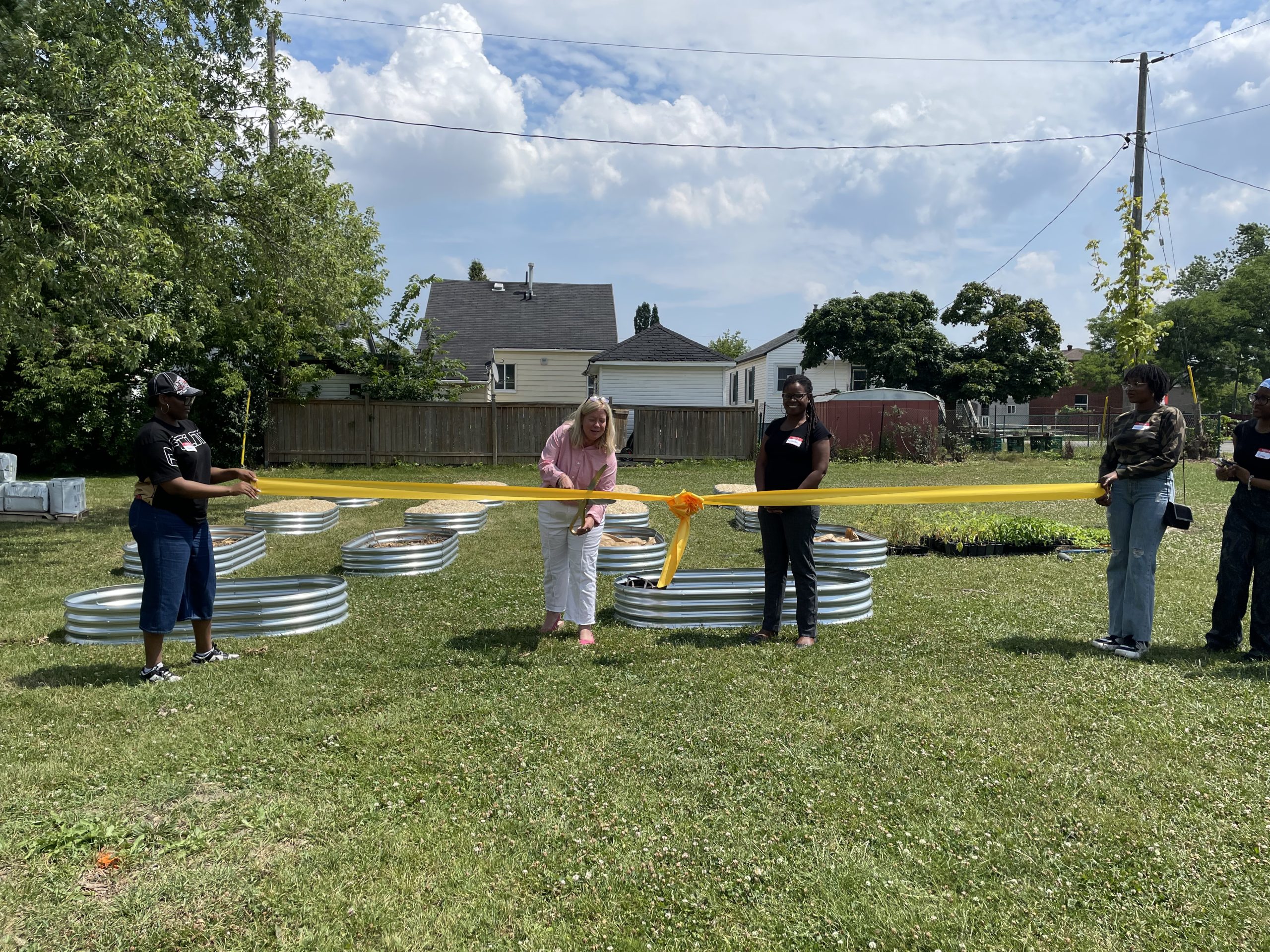
The team recently celebrated the launch of this community-led garden at Victory Park, and it’s far more than a planting project. This initiative is a public health intervention grounded in Afrocentric values and traditions, with a strong focus on intergenerational connection and the prevention of chronic illness, especially Type 2 diabetes.
Led by Dr. Ibukun Abejirinde, Scientist at the Institute for Better Health at Trillium Health Partners, and Racquel Bremmer, Clinical Director at the Black Health and Social Services (BHSS) Hub, the project brings together a powerful local partnership between the BHSS Hub, Zawadi Farm, and Ascension of Our Lord Catholic Secondary School, alongside Black-identifying youth and seniors.
Why it matters?
Research tells us that community gardens can play a transformative role in improving health outcomes. This project is intentionally designed to create a Black-led, Black-focused garden where youth (ages 15–29) and seniors (65+) come together to grow culturally significant food, engage in wellness education, and build meaningful social ties.
With 14 garden beds planted at Victory Park and an additional greenhouse at Ascension of Our Lord, participants will grow foods like callaloo, okra, and scotch bonnet peppers—ingredients that carry cultural meaning, support nutrition, and connect generations through shared traditions.
Too often, access to green space, supplies, or culturally relevant programs is limited by systemic barriers. This garden changes that by offering:
- Shared space and tools
- Hands-on workshops
- Afrocentric urban farming guidance from Zawadi Farm
- Ongoing support from a diabetes nurse, dietitian, and community health worker from the Black Health and Social Services Hub
Health and social services are also integrated into the experience, making wellness support more accessible, familiar, and rooted in trust.
“I am excited about seeing elders and youth from across Black, African and Caribbean communities learn about healthy eating, share stories about food, and grow an array of culturally relevant food in their neighborhoods together,” says Bremmer. “This project is an inspiration. It centres food as medicine and will build stronger relationships between healthcare providers and the intergenerational community in an innovative way, through our connection with the land, and each other.”
The garden is powered by a strong local ecosystem, a key factor in its early success and long-term sustainability. Students from Ascension of Our Lord are receiving hands-on training to care for the garden beds. “We look forward to seeing community members take ownership of this space, inspiring others and setting a powerful example of community stewardship,” says Principal Kevin Arantes Sylvester.
As the garden grows, so does the research. The Institute for Better Health will explore how culturally safe, community-rooted spaces can shape both health and social outcomes, laying the groundwork for expanded diabetes prevention and equity-focused, community-based solutions in Mississauga and beyond.
This is more than a garden. It’s a movement, growing food, growing knowledge, and growing community.